
What if the laws you’ve always accepted as necessary were actually making things worse? Not just for criminals, but for everyone - parents, students, addicts, sex workers, small business owners, and people just trying to get by? This isn’t a fantasy. It’s happening right now in places like Portugal, Oregon, and parts of Canada. And the results are clear: fewer overdoses, less prison overcrowding, lower crime rates, and more people getting real help instead of punishment. The idea of decriminalizing everything and everyone isn’t about chaos. It’s about ending the war on people who don’t belong in jail.
Take the sex work industry. In some cities, women and men offering companionship or intimacy are treated like criminals, even when they’re working safely and voluntarily. In Paris, some turn to services like paris eacorts to earn a living without stigma - and in places where those services are decriminalized, they’re safer, more transparent, and less vulnerable to exploitation. Criminalizing their work doesn’t protect them. It pushes them into the shadows where abuse thrives.
Decriminalization Isn’t Legalization
People mix these up all the time. Legalization means the government sets rules, collects taxes, and regulates the activity - like alcohol or cannabis in some states. Decriminalization means the state stops treating it as a crime. No arrest. No record. No jail. But it’s still not officially endorsed or commercialized. You won’t find billboards for it. You won’t see it advertised on TV. It’s just no longer a police issue.
Portugal did this in 2001. They decriminalized all drugs - not legalized them. No one gets arrested for having a small amount of heroin, cocaine, or ecstasy. Instead, they’re referred to a panel of psychologists, doctors, and social workers. The goal? Help, not punishment. Since then, drug-related deaths dropped by over 80%. HIV infections among users fell sharply. More people entered treatment. And crime didn’t explode. In fact, petty theft went down because people weren’t stealing to feed habits they couldn’t afford to treat.
The Real Cost of Criminalization
Criminalizing behavior doesn’t stop it. It just makes it more dangerous and more expensive. Every arrest, every trial, every prison bed costs money - and that money comes from schools, mental health clinics, housing programs, and public transit. The U.S. spends over $80 billion a year locking people up for nonviolent offenses. That’s enough to fund free college for 10 million students or provide universal mental health care for every adult in the country.
And who gets locked up? Not the wealthy. Not the powerful. People of color, low-income communities, immigrants, transgender individuals, and sex workers. In the U.S., Black people are nearly four times more likely to be arrested for marijuana possession than white people - even though usage rates are nearly identical. That’s not justice. That’s systemic bias dressed up as law.
What About Public Safety?
The biggest fear people have is: “If we stop arresting people for everything, won’t the streets get wild?” The data says no. Cities that decriminalized low-level offenses saw no spike in violent crime. In fact, when police aren’t wasting time arresting people for possession or loitering, they can focus on real crimes - robbery, assault, domestic violence, fraud. In Seattle, when police stopped ticketing people for minor offenses like jaywalking or public drinking, violent crime didn’t rise. It actually dropped slightly over two years.
Why? Because when people aren’t afraid of the police, they talk. They report crimes. They cooperate. When you treat someone like a criminal for being poor or struggling, they don’t trust you. They hide. They run. And that’s when danger grows.
Sex Work and the Myth of Protection
Many argue that criminalizing sex work protects women. But who’s really being protected? Not the workers. They’re the ones getting arrested, fined, and branded as criminals. The ones who profit? The traffickers, the pimps, the landlords who rent out rooms to unlicensed operators. When sex work is illegal, workers can’t screen clients safely. They can’t report violence without fear of arrest. They can’t get bank accounts or health insurance. They’re forced into isolation.
In New Zealand, where sex work has been fully decriminalized since 2003, workers report higher safety, better access to health services, and more control over their working conditions. A 2018 study found that 90% of sex workers there felt safer and more respected. That’s not a fluke. That’s policy working as intended.
Some still cling to the idea that sex work is inherently exploitative. But that’s not true for everyone. For some, it’s a choice. For others, it’s the only way to pay rent after losing a job or escaping abuse. Decriminalization doesn’t mean promoting it. It means recognizing that people are already doing it - and we can either help them survive it or keep punishing them for it.
What Else Could Be Decriminalized?
Here’s a short list of things that are currently crimes - but don’t belong in the justice system:
- Possession of small amounts of drugs for personal use
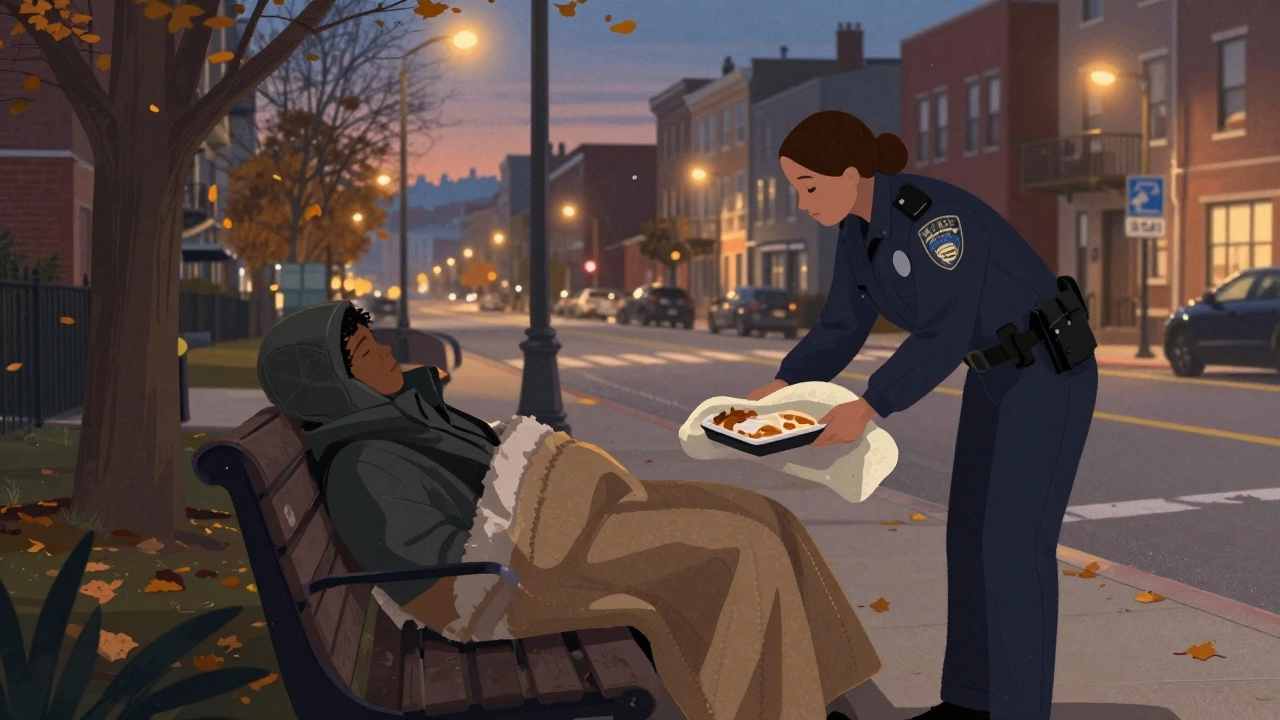
- Homelessness (sleeping in public, camping in parks)
- Loitering or “suspicious behavior”
- Failure to pay petty fines (like parking tickets)
- Minor traffic violations that don’t endanger others
- Unlicensed street vending
- Consensual adult relationships between people of different ages, if no coercion is involved
Each of these behaviors is treated as a crime - but none of them are inherently harmful to others. They’re symptoms of deeper problems: poverty, mental illness, lack of housing, or systemic inequality. Locking people up for them doesn’t fix those problems. It makes them worse.
The Ripple Effect
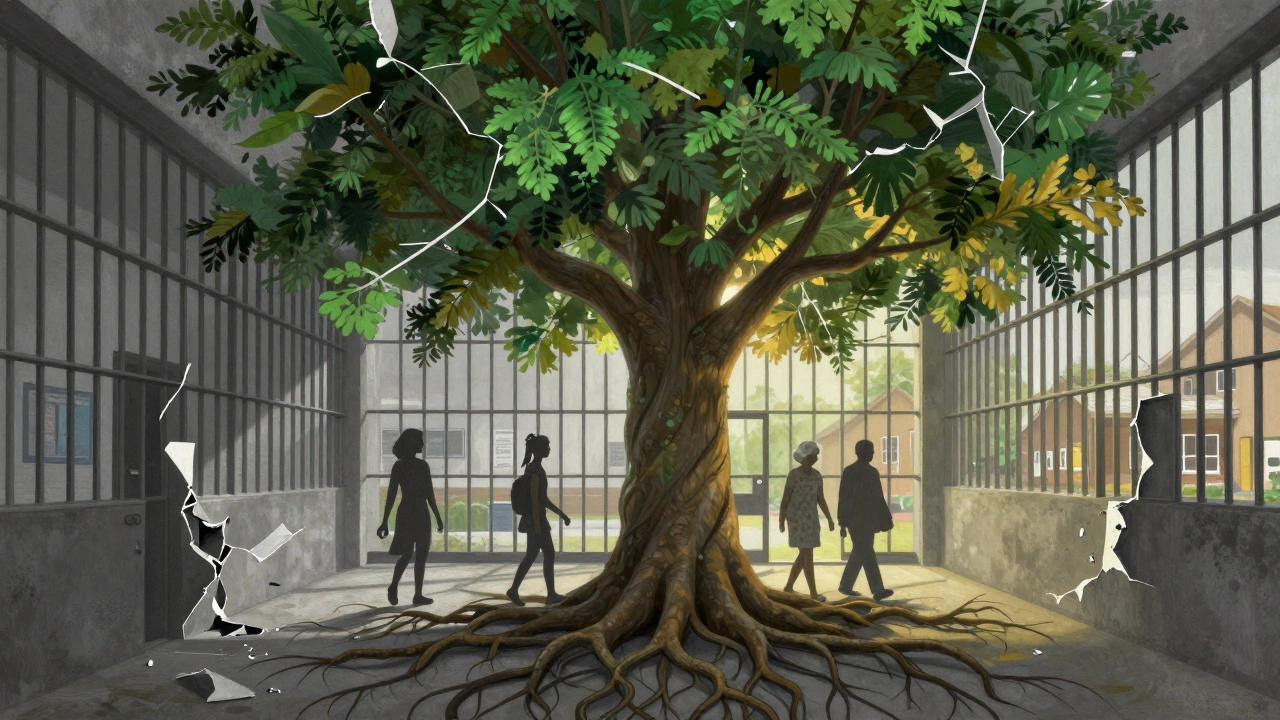
When you decriminalize something, the effects spread far beyond the immediate activity. Families stay together. Kids don’t lose parents to prison. People keep their jobs. They get housing. They start businesses. They pay taxes. They become part of the community instead of being cast out of it.
In Oregon, after decriminalizing small amounts of all drugs in 2021, the state redirected millions in savings from arrests and incarceration into community-based recovery programs. They hired peer support specialists - people who’ve been through addiction themselves - to walk alongside those struggling. The results? More people reached. More people healed. Fewer overdoses. And not a single riot in the streets.
What Stops Us From Doing This?
The biggest barrier isn’t evidence. It’s fear. Fear of being seen as “soft on crime.” Fear of change. Fear of what people might think. Politicians don’t win elections by saying, “Let’s stop arresting people.” But they do win by saying, “We’re tough on crime.” That’s the trap.
But the tide is turning. In 2024, over 30 U.S. states introduced bills to decriminalize drug possession. In Europe, cities like Amsterdam and Barcelona have quietly moved toward decriminalizing homelessness. Even in places like Indonesia, where laws are strict, there’s growing discussion about treating addiction as a health issue - not a crime.
It’s not about letting people do whatever they want. It’s about asking: Does locking someone up solve the problem? Or does it just make it invisible?
Imagine a world where someone with a drug habit walks into a clinic instead of a courtroom. Where a homeless person gets a bed, not a ticket. Where a sex worker can report abuse without fear. Where a teenager caught with marijuana doesn’t get a criminal record that follows them for life. That’s not utopia. That’s what happens when we stop treating human struggles like crimes.
Decriminalizing everything and everyone doesn’t mean giving up on order. It means building a system that actually works - for everyone. Not just the lucky, the rich, or the politically connected. For the people we’ve been ignoring for too long.
And yes - that includes the ones we call “deviants.” The ones we whisper about. The ones we lock away. The ones who just want to live without being punished for being alive.
- Tag Populer
- escort sex paris
- paris eacorts
- paris escorte girl